Private AIOS is a personal AI operating system. It runs offline by default, it asks before it acts, and you can unplug it at any time.
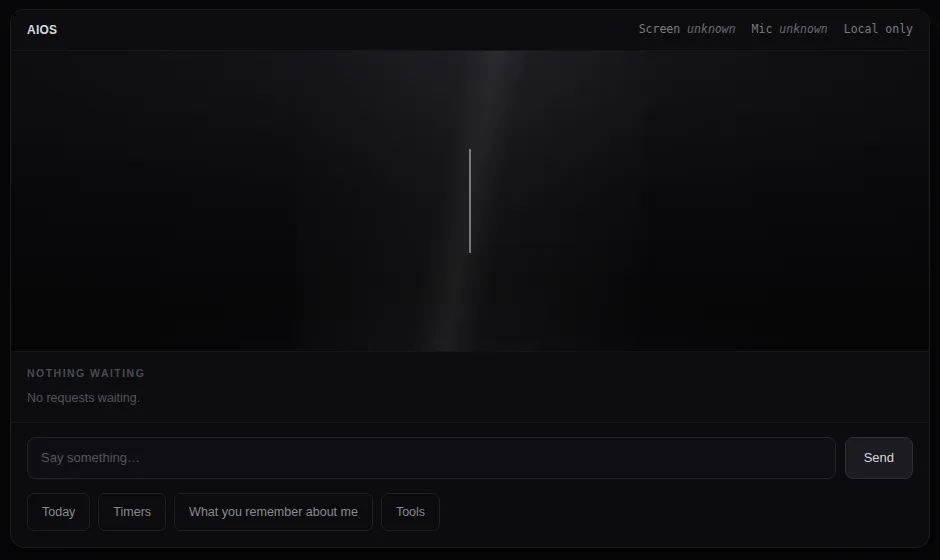
The control panel is black glass. Nothing flashes and nothing competes for your attention: colour appears only when something needs you, has gone wrong, or cannot be confirmed.
Every edition runs the same system with the same rules: local where it can be, asking before it acts, and honest about its state.
Tiny AIOS skills and add-ons for under a dollar each. The easy way to try it and see how Private AIOS works.
A simple, free-to-use assistant for people without a home: finding services and keeping track of appointments and documents.
JeffyAI and Private AIOS Personal: your own private AI on your own computer, offline by default.
A friendly companion on a tablet for retirement homes, easy to use and private for every resident.
One private AI for the household, with a place for each person and the grown-ups in charge of what it can do.
Editions for business, commercial, education, healthcare and enterprise use, with the same ask-before-it-acts rules.
Comes with the computer. A ready-to-run machine that keeps working with the internet unplugged.
Private AIOS with big models on a dedicated server, for work too large for home hardware. Online by nature, so it says exactly what is stored and where.
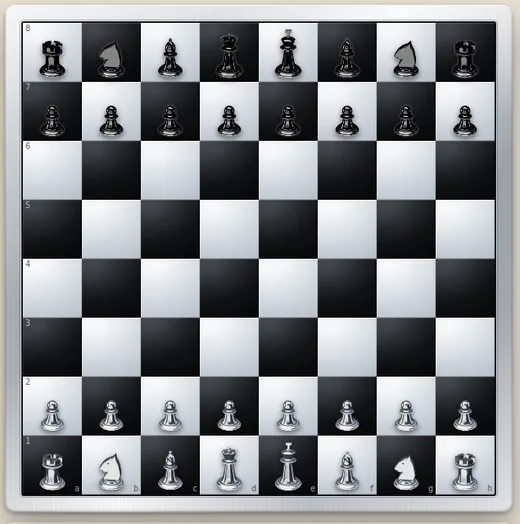
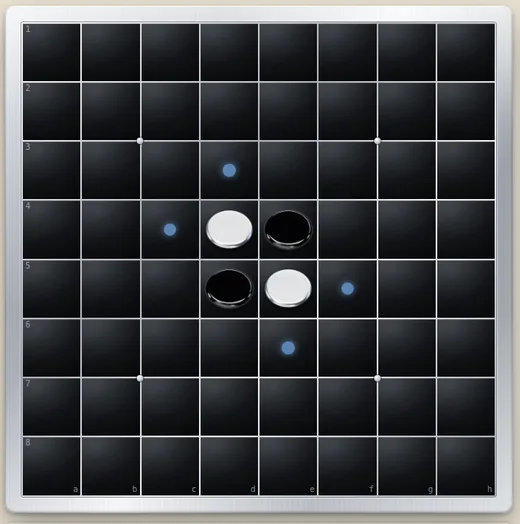
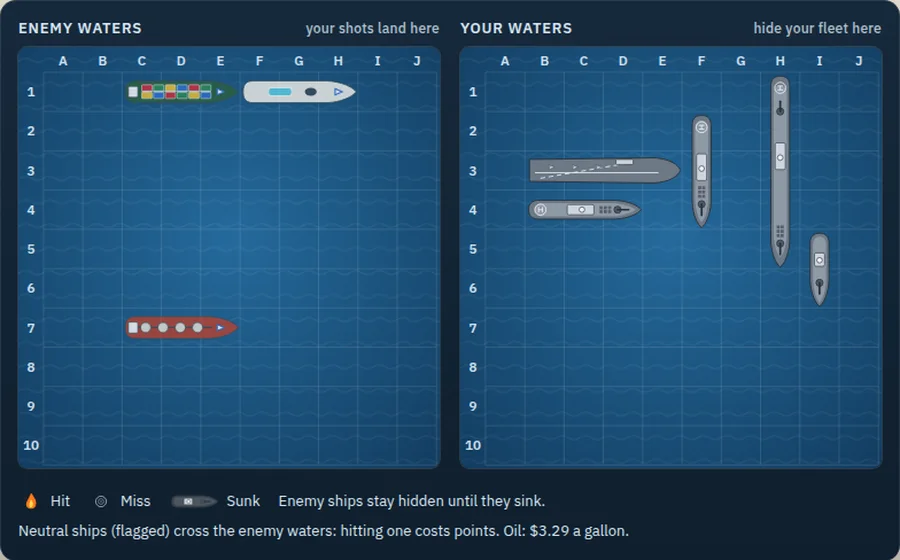
Play chess, checkers, Reversi, Mines and Battle Fleet in your browser against six AIOS characters, from Maple (friendly, still learning) to JeffyAI (the strongest). No account and no download. Your records stay in your own browser.


Most assistants send your words somewhere else and ask you to trust what happens next. Private AIOS inverts that: the work happens on your hardware, and every step outward is a decision you make.
Local models do the work. No account, no API key, and no network connection required to use it.
Anything with consequences outside your machine stops and waits for you. The approval is bound to the exact action shown.
Protection and connectivity are separate states, always visible, and always written in words as well as colour.
A connectivity control you own. Set it to offline and egress is refused by policy, not by good intentions.
The state comes from the layer that enforces it, never from the page drawing it — and the words are always shown with the colour, because a colour on its own is not a signal everyone can read.
Most software resolves uncertainty optimistically. If a check has not finished, or a component did not answer, the screen stays green and you are told everything is fine. That is a comfortable default and it is the wrong one, because the moment a protection stops reporting is exactly the moment you need to know.
Private AIOS resolves the other way. A problem outranks an unknown, an unknown outranks a warning, and a warning outranks a clean result — so the most serious thing that is true is the thing you see. If the state cannot be established it says so plainly and waits, rather than guessing in the direction that looks better.
The same rule governs approvals. A request to act outside your machine is bound to the exact action shown to you, not to a general permission granted earlier. Approving one thing approves one thing.
"Offline policy" is deliberately not the phrase "air gapped". The software refuses network egress by policy — it cannot verify that a machine is physically isolated, so it does not say that it is. Where a limit exists, the product states the limit.
One message when it ships. No list rental, and no third-party trackers on this page.